Turning Real Life into 1s and 0s: How Digitalization Works
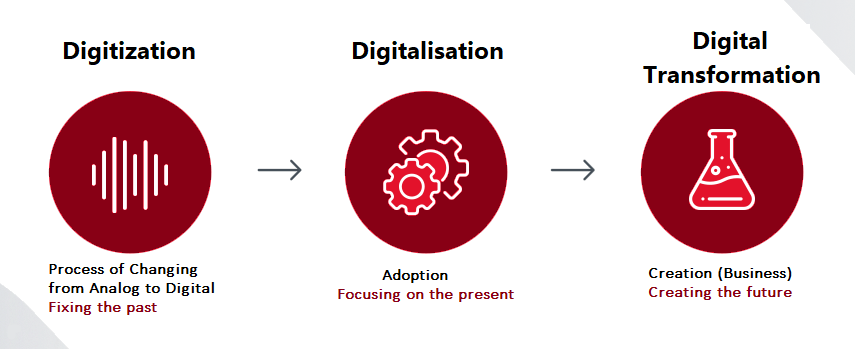
Digitalization is the process of turning real-world information, like the words you read in a book or the music you hear on the radio, into a format that computers can understand, store, and share. This format is made up of just two numbers: 1s and 0s, known as binary code. For example, when text is digitized, each letter and symbol is given a unique number code. A simple “A” becomes a set of 1s and 0s. The same goes for sound: a microphone captures vibrations in the air (your voice or music), and those vibrations get measured and turned into a stream of digital numbers that represent the sound’s volume and pitch over time.
The beauty of this process is that it lets us store and send information quickly and easily. Text can be sent in an email, edited in a document, or read on a screen without losing quality. Sound can be saved as an MP3 file and played over and over again without the static or hiss you might hear on an old cassette tape. Once something is digital, it can also be backed up, searched, or shared instantly with people anywhere in the world. This is what makes modern life, from texting a friend to streaming music, feel so fast and seamless.
But digitalization also comes with tradeoffs. When sound is turned into digital form, small details can be lost, especially if the file is compressed to save space. That’s why some people say vinyl records sound “richer” than digital music. Similarly, converting handwritten notes or printed books into digital text can lead to errors if the process isn’t done carefully. So while digital makes things more convenient and accessible, it sometimes sacrifices a bit of the depth, texture, or original feel of the real-world experience.